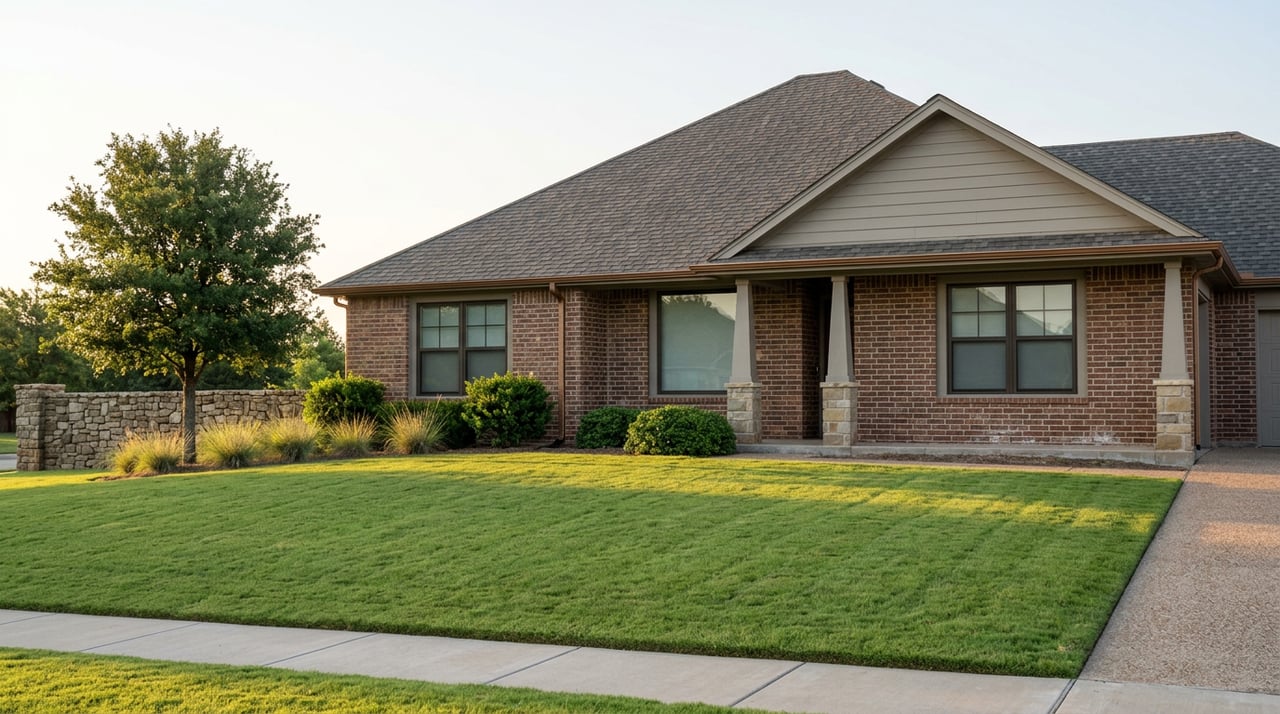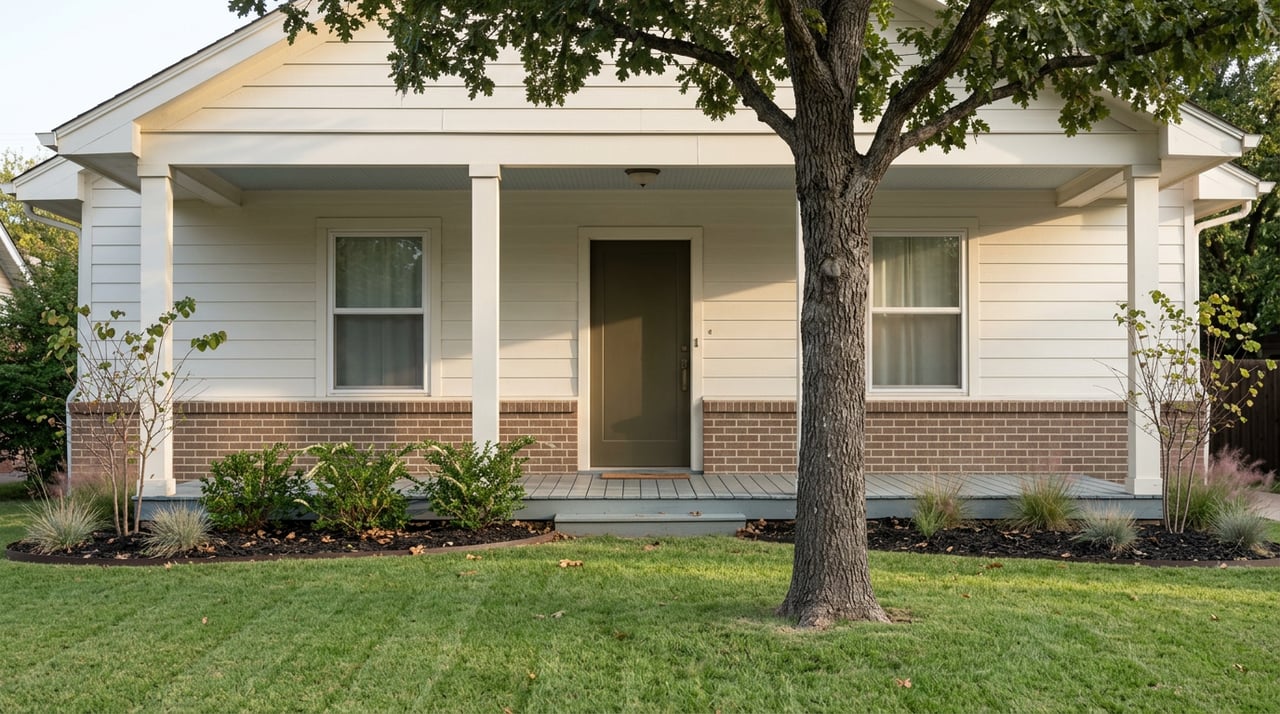
A buyer touring a two-year-old home in Bailey Ranch does the math the way most people do. New roof, new HVAC, new everything below the studs, so the foundation must be fine too. The builder poured that slab a few years ago, not a few decades ago, and newer feels like it should mean safer.
That assumption is the thing worth questioning before you write an offer, not after.
Newer Doesn't Mean Untested Soil
Owasso has grown fast along the 86th Street North corridor, and subdivisions like Stone Canyon, Bailey Ranch, Smith Farm, Elm Creek, Rayola Valley, and Garrett Creek make up a large share of what's currently on the market, mostly homes built in the 2000s through the 2020s on 2,000 to 4,000 square foot floor plans that buyers spend real money customizing. The soil under this corner of Tulsa County actually works in a buyer's favor most of the time. It runs lighter and drains better than the clay found closer to Tulsa proper.
The part that gets skipped in the "new build, no worries" version of the story is what happens at the lot level before the slab ever gets poured. Rapid development means some of these subdivisions sit on land that was recently filled and graded to make it buildable, and fill dirt behaves differently than soil that's been settled for decades. A slab poured over recently placed fill needs the same scrutiny as a foundation in an older, established part of town, regardless of how new the kitchen looks.
If you're comparing a handful of Owasso neighborhoods for your first purchase, our first-time homebuyer guide to Owasso neighborhoods walks through how those areas differ beyond square footage and school zones.
What the Ground Is Actually Doing Underneath
Oklahoma sits on expansive clay soils that the USDA classifies as having high to very high shrink-swell potential, meaning the ground contracts during dry stretches and expands again when it gets wet. That movement is the mechanism behind nearly every foundation crack, sticking door, and separated chimney in this part of the state. It doesn't check the year a house was built before it acts.
A foundation repair firm working across Broken Arrow, Owasso, Bixby, Jenks, and south Tulsa reports seeing 1 to 3 inches of differential settlement as a routine finding across homes in this region, not an anomaly. Differential settlement means one part of the foundation has moved more than another, which is exactly what produces the diagonal cracks and uneven floors buyers notice on a walkthrough but often explain away as "just an old house thing." In a market where the newest homes on the block can carry the same finding, that explanation stops holding up.
What It Costs to Fix, By Scope
Repair costs vary with how much of the foundation is affected, and having a rough sense of the range before your inspection period closes changes how you read the report.
| Scope of Repair | Typical Cost Range |
|---|---|
| Minor settlement affecting one section | $3,500 to $8,000 |
| Whole-house stabilization, 15 to 25 piers | $10,000 to $25,000 or more |
Piers used for stabilization in this area are typically driven 8 to 15 feet to reach stable bearing soil, and newer construction increasingly uses post-tension slabs specifically because they hold up better against reactive clay. That's a genuine advantage of buying new. It just isn't a substitute for confirming what's happening at your specific lot, since the engineering on the slab doesn't fix a drainage or fill problem underneath it.
What an Inspector Is Actually Looking For
A general home inspection touches the foundation but isn't built to go deep on it. The specific signs worth flagging for a follow-up look include:
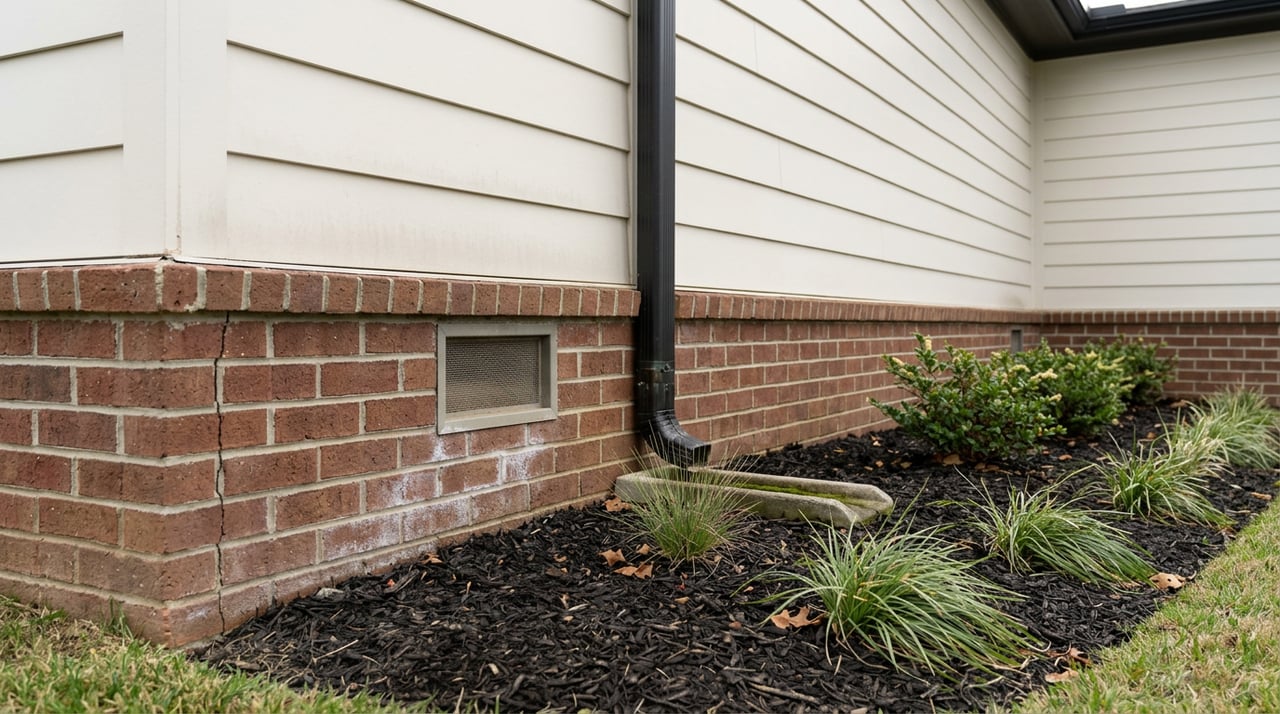
- Cracks in exterior brick wider than a quarter inch
- Diagonal drywall cracks, especially at the corners of doors and windows
- Doors or windows that stick or won't latch properly
- Floors that feel uneven or slope noticeably in one direction
- Gaps opening up between walls and the ceiling or floor
- A chimney pulling away from the rest of the house
None of these automatically mean a five-figure repair. They mean it's time for a structural engineer or a foundation specialist to look closer before you decide how to move forward, and that step is worth the modest added cost regardless of the home's age.
The Disclosure Piece That Surprises Buyers
Oklahoma runs on an actual-knowledge standard for seller disclosure, which changes what protection you can expect from the paperwork alone.
Oklahoma's Residential Property Condition Disclosure Act requires sellers to answer specific questions about the foundation, roof, walls, and drainage based on what they actually know, not on what a professional inspection would find. The form is only valid if completed within 180 days of when the buyer receives it.
That distinction matters. A seller who genuinely doesn't know about a settlement issue, because it never got inspected or never showed up while they lived there, hasn't violated anything by leaving that box unchecked. The official 2026 disclosure form from the Oklahoma Real Estate Commission says as much directly, and Oklahoma statute backs it up. The disclosure tells you what the seller knows. It was never designed to tell you what a licensed inspector would find, which is exactly why the inspection period exists as its own separate step, not a formality layered on top of the paperwork.
Turning a Finding Into a Negotiation
A foundation note in the inspection report is a starting point for a conversation, not an automatic reason to walk. Once you have a structural engineer's assessment in hand, you have three realistic paths: ask the seller to complete the repair before closing, negotiate a price reduction or closing credit that covers the work, or decide the finding is minor enough to move forward as is. Sellers generally respond better to a specific, well-documented request tied to one clear issue than to a long list of every minor observation in the report.
This is where having someone on your side who has actually sat on the escrow and title side of a closing earns its keep. Knowing which repair requests typically get accepted, which credits lenders will allow, and how a finding affects appraisal all shape whether your negotiation actually lands. Our own Rebecca Breshears spent roughly a decade in escrow and title work before earning her license, and that background is exactly why we push clients toward documentation and a calm read of the numbers rather than reacting to a scary-sounding line in a report.
Where This Leaves You Right Now
Owasso's market hasn't slowed as much as some headlines suggest, but it has shifted. Homes sold over the three months ending May 2026 carried a median price in the low $300,000s, and days on market stretched to roughly 40 days that spring, up from around 29 days the year before. That's still a competitive market, just one with slightly more breathing room than the past few years gave buyers. That breathing room is exactly what makes a full foundation conversation possible before you're locked into a bidding war deadline. Use it.
A Few Questions Worth Answering Directly
Does Oklahoma require a separate foundation inspection when buying a home? No. A standard home inspection includes the foundation, but it isn't designed to go as deep as a dedicated structural or foundation-specific evaluation. If your general inspector flags anything, that's the signal to bring in a specialist before your inspection period closes.
Who typically pays for the inspection? Buyers usually cover the cost of their own inspection after an offer is accepted. Some sellers choose to get a pre-listing inspection done before putting the home on the market, though that's their choice rather than a requirement.
What if a foundation issue shows up after closing? Document everything with photos and a written assessment from a licensed contractor or engineer, then compare it against what the seller's disclosure actually said. If the seller answered "no" or "unknown" on something they clearly should have known about, that gap is the basis for any further conversation with an attorney about your options.
If you're weighing a purchase in Bailey Ranch, Stone Canyon, or anywhere else in Owasso and want a second set of eyes on an inspection report before you decide what to do with it, our team is a phone call away. And if you're on the other side of the transaction wondering what your own Owasso home is worth in today's market, Ridge Real Estate offers a free home valuation with no pressure attached to it, just straight answers.